How to fill slow days at a restaurant: five things that work
How to fill slow days at a restaurant: a weekday special with a name, a fixed-price lunch, a partner's quiet night, a stamp card, and hours that are true.
4 min read
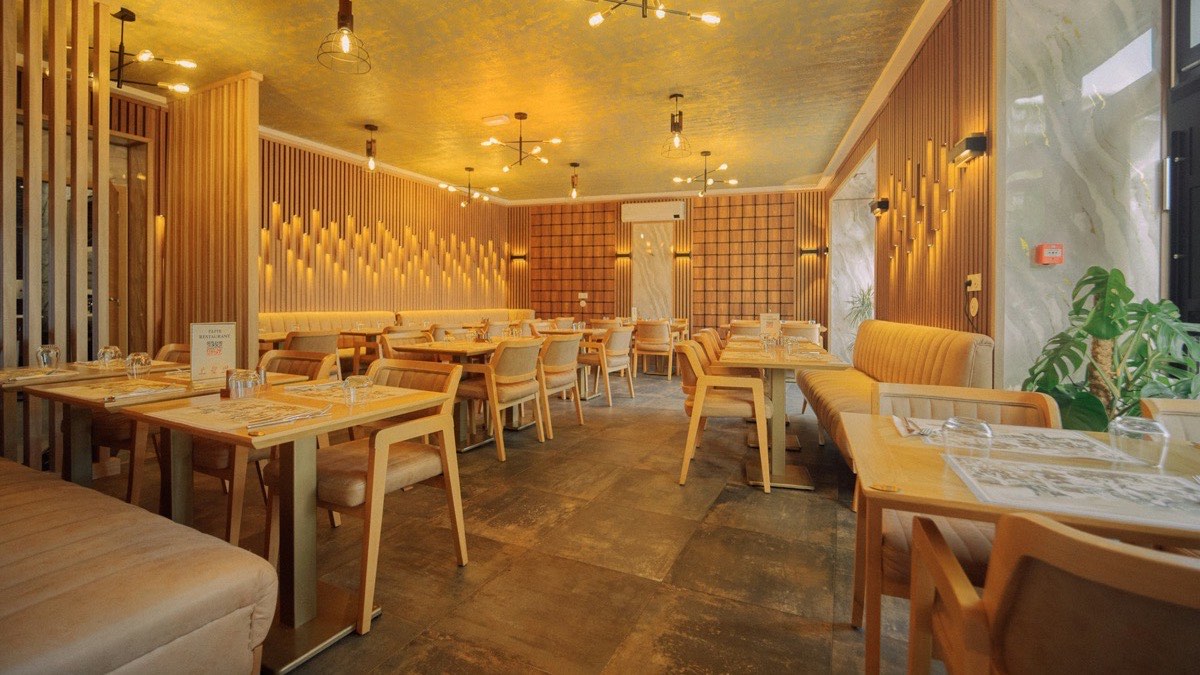
For most restaurants, the slow days come early in the week. In the US, restaurant spending now peaks at Saturday brunch, and before 2020 the peak was Friday lunch.
You cannot move the weekend. You can give people a reason to come on a Tuesday. Here are five that have worked, with the numbers behind them, and the one to start with.
10%
Share of a US restaurant's weekly sales that now comes in on Saturday between 8 am and 1 pm, up from 8.5% in 2019. Friday lunch was the peak before. (Square, April to June 2023)
Now your own number. Count the customers you served last Saturday and last Tuesday. The gap, times your average bill, is what one slow day costs you every week.
Five things that work on a Tuesday
1. A weekday special with a name. In the early 1980s, David Olsen ran a Taco John's in Minnesota. Tuesday was his slow day, so he sold two tacos for 99 cents and called it Taco Twosday. The chain trademarked Taco Tuesday in 1989. It gave the name up in July 2023, after Taco Bell asked the trademark office to cancel it. By then the whole country was using it.
The rule: one dish, one price, the same day every week, and a name people can say to each other. Change it every week and nobody learns it.
2. A lunch at one fixed price. In 1992, the Democratic National Convention came to New York. Joe Baum and Tim Zagat asked the city's top restaurants to serve a three-course lunch for US$19.92 that week. The lunch became Restaurant Week. It now runs twice a year, a month each time, and dozens of US cities have copied it.
You do not need a convention. Three courses at one round price, weekdays only. It gives the offices near you a reason to book a table instead of buying a sandwich.
3. Share a deal with someone else's quiet day. In the UK, the phone network Orange gave its customers two cinema tickets for the price of one every Wednesday. Customers sent a text and got a code, from 2003 to February 2015. The same code got two main courses for the price of one at PizzaExpress. A cinema chain and a pizza chain shared one deal on one weekday for twelve years.
The small version: the cinema, the theatre, the gym or the football club near you also has a quiet night. Agree a deal for their members on that night. A running club or a quiz needs a room on a weeknight, and you have one.
4. A stamp card. Customers who join a loyalty programme visit and spend 18% to 30% more than other customers. That is across the US restaurants Paytronix studied from 2018 to 2020. A paper card with ten boxes does the same job for a small place. Make stamps count double on your slow day, and print that on the card.
5. Hours that are true on your slow day. Many owners close early on a quiet Monday. If your page still says open until 10 pm, the one customer who came at 9:15 finds a locked door. Wrong hours cost more than no hours. If Monday closes at 9, put Monday's hours online. If Monday is closed, say so. Fewer hours that are true beat more hours that are not.
Where to start
One thing, not five. Pick the one that costs the least to try. For most places that is the special: one dish you already make, a price that actually pays, one name.
Before the first week, write down how many customers came on that day in each of the last four weeks. Run the special for eight weeks. Then count again. If the day gained customers, keep it and add the second thing. If it did not, change the dish or the price, not the day. Either way you now know what the day is worth, and that number is the one to watch.
Tell people where they already look. Put the special at the top of the menu, on the page they open before they come, and in one post on the day itself. A special nobody reads fills no tables.
Common questions
- What is the slowest day of the week for a restaurant?
- For most places it is early in the week. Taco John's built Taco Tuesday because Tuesday was its slow day, and in the US restaurant spending now peaks at Saturday brunch. Your own till knows better than any survey: count customers per day for four weeks, and the slow day is the one with the smallest number.
- Do weekday specials work?
- Yes, when it is the same dish at the same price on the same day every week, with a name. Taco John's sold two tacos for 99 cents on Tuesdays in the early 1980s and called it Taco Twosday. The name spread across the whole US. If the dish changes every week, nobody remembers it.
- Should a restaurant close on slow days?
- If a day loses money after staff and power, closing it is a fair choice, and many restaurants close on Monday. The one rule is that the hours online say so. A customer who finds a locked door on a day your page calls open does not come back.
Sources
- Square Q2 Restaurant Industry Report: Restaurant Spending Shifts from Friday to Saturday, Square, US sellers, April to June 2019 to 2023 (2023)
- The Trademarking of Taco Tuesday, Alex Mayyasi, Priceonomics (2016)
- Taco John's Taco Tuesday Trademark: A Surrender in the Battle Against Taco Bell, Klehr Harrison Harvey Branzburg LLP (2023)
- Restaurant Week: A New York City Native, Village Preservation (2023)
- Orange Wednesdays to end after 12 years of discount cinema deals, ITV News (2014)
- Paytronix Report: Loyalty Programs Boost Visits and Spend By 18–30%, Paytronix, restaurant transactions 2018 to 2020 (2021)
Nicolae Cojuhari · Software Engineer and Food Lover. Founder of 1FoodMenu.
Read next
What customers check before choosing a restaurant
Customers open a restaurant's page for four things: the menu with prices, open or not, where it is, how to reach it. The numbers, and a ten-second check.
· 4 min read
How to price menu items without guessing
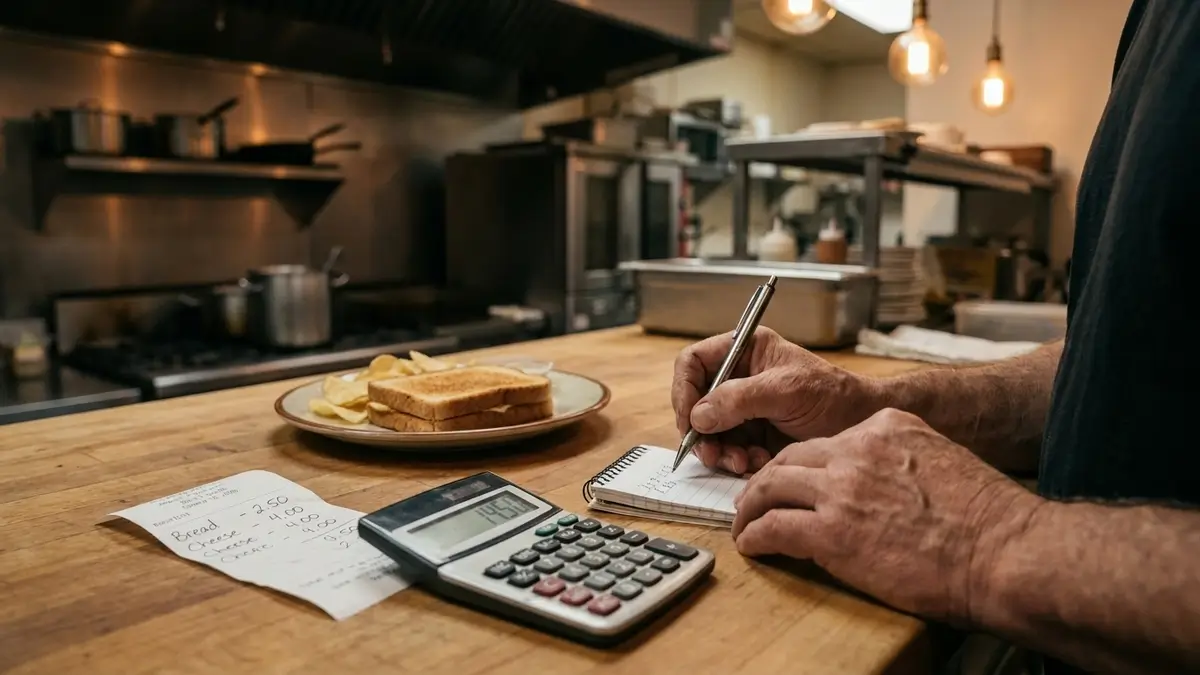
Menu price = ingredient cost ÷ target food cost. Target ranges by restaurant type, one worked example, and the mistake that costs the most.
· 3 min read
How to write a restaurant menu that is easy to order from
Fewer dishes, the order people actually read in, names that say what the dish is, and prices without a dollar sign. What the menu studies found.
· 4 min read