What customers check before choosing a restaurant
Customers open a restaurant's page for four things: the menu with prices, open or not, where it is, how to reach it. The numbers, and a ten-second check.
Updated 4 min read
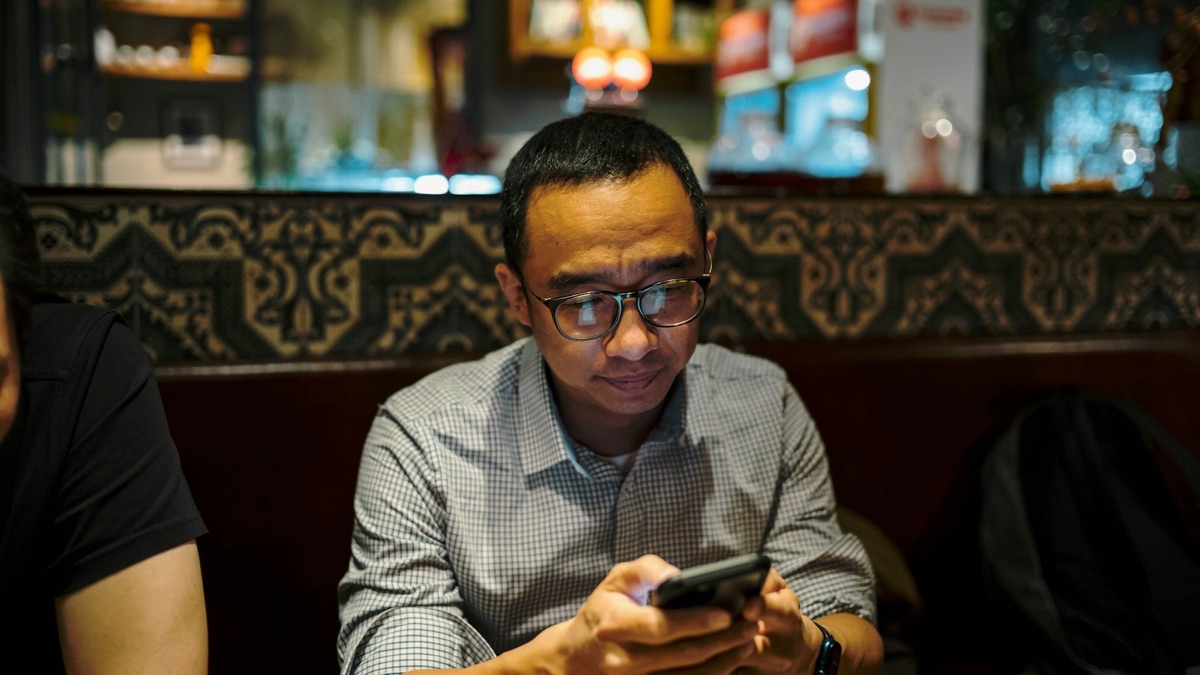
Four things. The menu with prices, whether you are open right now, where you are, and how to reach you.
That is what customers check before choosing where to eat. Not your story, not your awards. Here is what the surveys found, and a ten-second check you can run on your own page today.
The four questions
What do you serve, and what does it cost? In a 2024 survey of 1,300 people in the US, 80% said they open a restaurant's website to see the menu. 61% said photos of the dishes matter most. A menu without prices is half an answer. The customer still does not know if they can afford it.
Are you open right now? Not the weekly hours. The answer for this minute. Someone on the street at 9:40 pm wants to know if the kitchen is still open. Wrong hours cost more than no hours. This goes wrong most on slow days, when the kitchen closes early and the page does not say so. The person drives over, finds the door locked, and does not come back.
Where are you? The address, and a map that opens directions in one tap. In Toast's 2026 survey, people found new places through friends first, then map apps and search. If the map has you in the wrong spot, the friend's tip is wasted.
How do I reach you? A phone number that dials when tapped. A WhatsApp button often works better. People can ask for a table for eight without calling.
What they skip
Almost everything else.
In a 2019 survey of 1,101 US adults, 68% had been put off a restaurant by its website. The top reason was dishes they did not want, named by 65%. After that: a site that was hard to use, a menu that was hard to read, a site that looked old.
Nobody was put off by a missing About page. Nobody asked for a gallery of the dining room.
The 2024 survey shows what a bad page costs. 69% said a confusing website makes them less likely to order.
The long "our story" page, the newsletter box, the photo of your grandmother: none of it hurts. None of it brings anyone in either. It only costs you time. The four answers bring people in.
The ten-second check
Take your phone. Open your page the way a customer does, from your Google listing or your Instagram bio, not from a bookmark. Start counting.
- Can you see a dish with its price without pinching or zooming?
- Does the page say whether you are open now, not just the hours?
- Is there an address or a map that opens directions in one tap? For a truck, today's spot, not last week's.
- Is there a phone or WhatsApp button, not a number to copy?
Four yes answers in ten seconds: the page does its job. One no: that is where your next customer leaves.
If your menu is a PDF, the first question already fails on most phones. If you have no page at all, only a Google listing, one page is enough. It takes an afternoon. Most of that afternoon is the menu. A short menu with clear names is the one people read on a phone.
Then check the other places your menu lives: the PDF on your website, the board above the counter, the menu on Google. If one of them shows a different price, a customer will find it.
Common questions
- Do customers look at the menu before going to a restaurant?
- Yes, most of them. In a 2024 survey of 1,300 people in the US, 72% said they look at a restaurant's website before eating there, and 80% said they go there for the menu. A 2019 survey of 1,101 US adults found 77% check the website before eating there or ordering.
- What should a restaurant page include?
- Four things: the menu with prices and a photo of the dishes you most want to sell, whether you are open right now, the address with a map that opens directions, and a phone or WhatsApp button. Everything else is optional.
Sources
- New Data: The 6 Elements of a Perfect Restaurant Website, Owner.com, survey of 1,300 US restaurant customers (2024)
- Survey: Nearly 70% of U.S. diners say a restaurant's website has discouraged them from visiting, MGH, survey of 1,101 US adults, PR Newswire (2019)
- How guests discover new restaurants, Toast, survey of restaurant customers (2026)
Nicolae Cojuhari · Software Engineer and Food Lover. Founder of 1FoodMenu.
Read next
Do restaurants need a website? One page is enough.
77% of customers look at a restaurant online before they go and 68% have been put off by what they found. What they check, and what one page needs.
· 4 min read
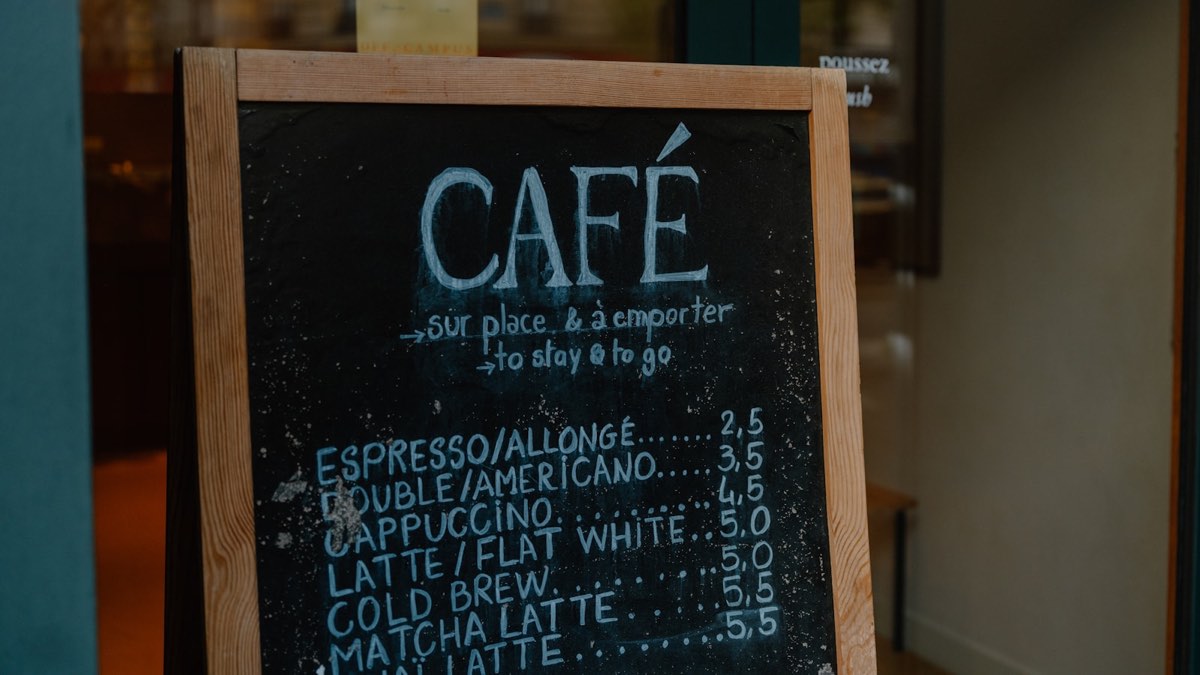
How to write a restaurant menu that is easy to order from
Fewer dishes, the order people actually read in, names that say what the dish is, and prices without a dollar sign. What the menu studies found.
· 4 min read
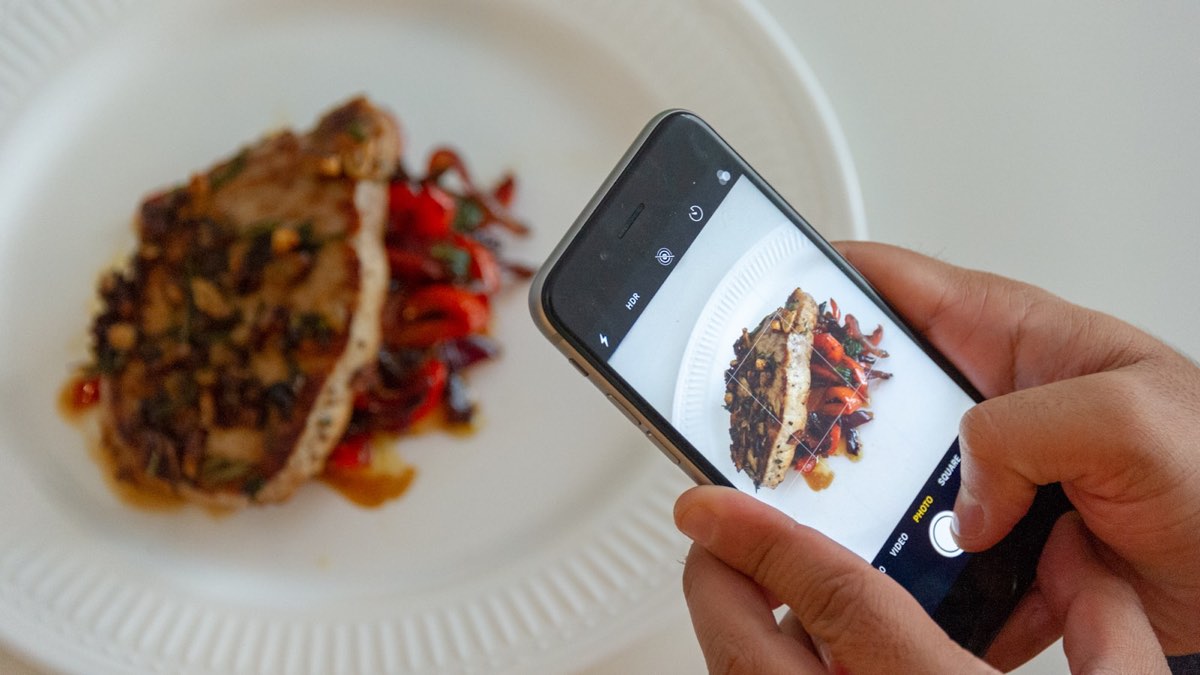
Should restaurant menus include photos? Yes, with one rule.
Photos next to plain dish names raise what people pay and order, three studies found. The one rule, and how to take menu photos with a phone.
· 4 min read